Best Assistive Impact
Simplified Senior Launcher
An ultra-simplified Android launcher for seniors, with medication reminders and a custom kiosk mode.
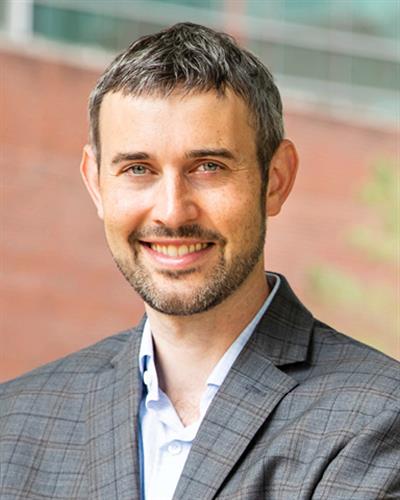
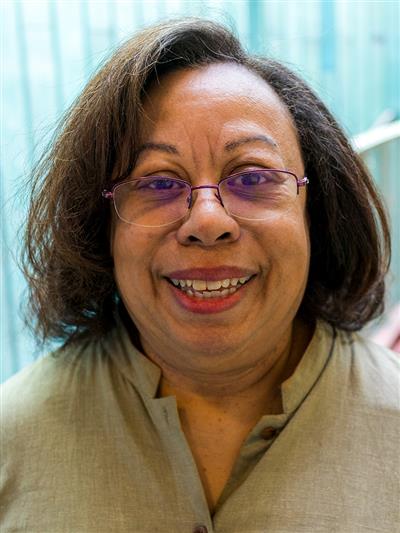
“Separates a student project from a life-changing tool.”I love to teach, and I love to build. I teach students to build—with code, and now with AI.
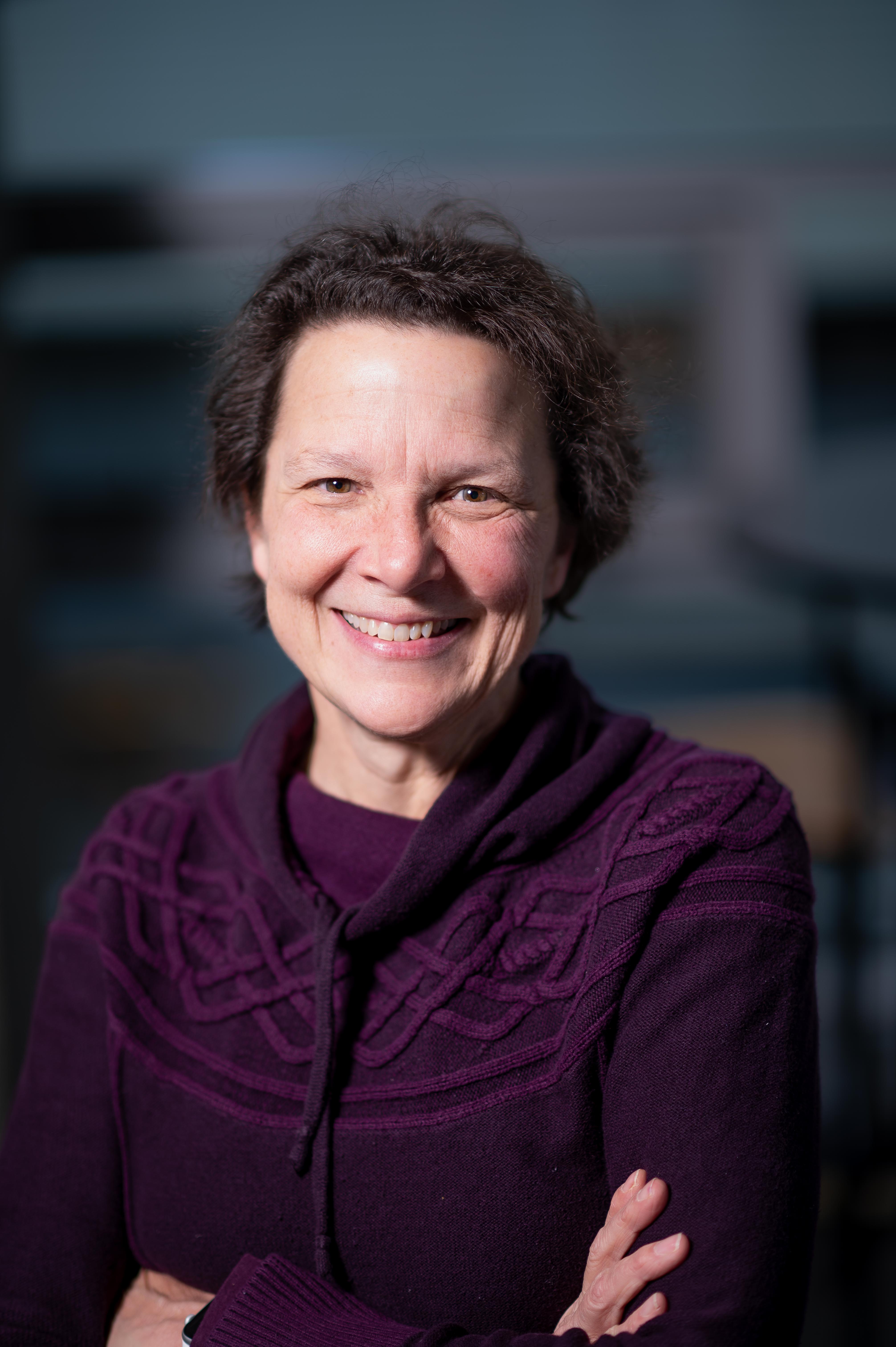
A.B. (Physics) and Ph.D. (Computer Science) from Harvard, supervised by Matt Welsh. Deployed wireless sensor networks on active volcanos. Researched mobile systems at the University at Buffalo, taught operating systems and internet basics, and built the world’s first smartphone platform testbed. Now Teaching Professor at Illinois, teaching computing to thousands of students per year using novel technology and pedagogy.




Watch full video (64 min)—sped up 32×
With or Without AI?—essay, April 2026
LinkedList with these methods:"1 → 2 → 3 → null""📦 → 📦 → 📦 → ∅"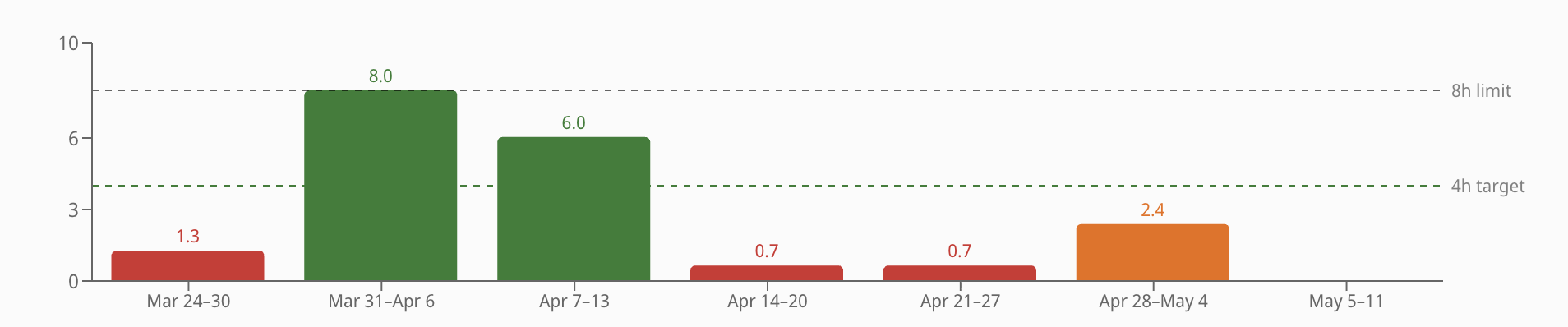
An ultra-simplified Android launcher for seniors, with medication reminders and a custom kiosk mode.
“Separates a student project from a life-changing tool.”Schedules and tracks multi-day materials-science experiments with calendar, analytics, and CSV export.
“Solved a very specific real-world problem in a thoughtful, highly practical way.”Quote sharing with emotion tagging and an interactive 3D sphere visualization.
“Genuinely creative idea unlike anything else in this class.”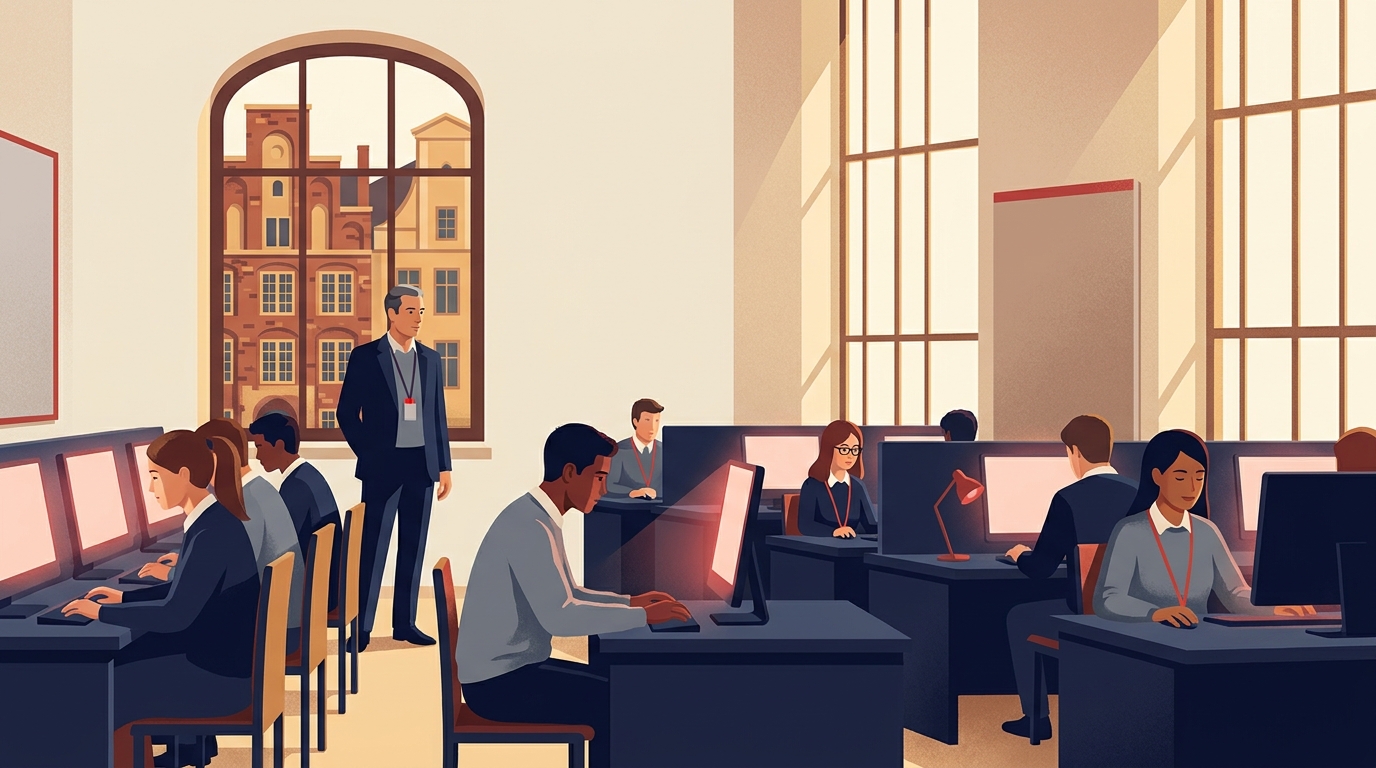


An oral exam: you can’t fake understanding in a real conversation.
Scalable, high-frequency, auditable.
Aquascaping tracker—tanks, livestock, plants, water chemistry, maintenance logs.
Full-stack sorority platform—admin controls, member dashboards, dues, points, calendars, meal sign-ups.
AI collaboration is a distinct skill that is independent from—but related to—classical programming.
Learn enough programming to talk to coders: literacy to communicate, not to produce.
Chilana (2015–16) · Guzdial · Cunningham · Hur & Cunningham, ICER 2024: the single most popular endpoint for non-CS majors who take a computing course.
Direct coding agents in plain language, and own the intent, the spec, and the verification.
They learned to talk to the people who wrote the code. Now the code writes itself, and the loop of asking, checking, and iterating is the whole job.
Same instinct: be precise about software you don’t hand-write. The partner changed from a person to a machine.
For decades the person who cared and the person who could build were two different people. Most of our security and usability failures live in that gap—not negligence, a broken channel.
The skill is epistemic discipline—knowing where to trust, where to verify, and what only you can own. We grade the delta: what the student adds past what the agent raised.
“Epistemic discipline” borrowed from Paolo Ciancarini, The conversation is the computer (this workshop).
Borrowed from the architecture studio: one artifact, many crits—each pass foregrounds a different concern, dragging accountability one zone rightward along the gradient.
A portfolio of disposable projects. Build, demo, delete: throwaway work can’t over-design. The portfolio is also a search: you keep the one with legs.
The return is subtractive. A real user model usually says you don’t need 70% of what you built. The end is where the project gets right, which means smaller.
“Fascinated. They want to know everything about everything for the sake of knowing.”
“Driven. They had a vision—and were interested in everything they thought would help with that, and nothing that wouldn’t.”
Explore · Design · Prototype · Critique · Iterate · Validate.
Any existing minor on campus. Each student braids in another field—biology, business, design, the humanities. Ideas and problem-understanding drive the work; the domain tells you what to build.
Writing, literature, moral reasoning, studio art. Professional capabilities, not decoration. Students who build for people need to communicate, reason ethically, and see clearly.
A portfolio model: Integrative Design Studio I → II → III, then a capstone with public defense. Students graduate with a body of work, not a transcript—scope and defense grow with each studio.
Borrowed from architectural pedagogy. Tested for centuries.
“I decided data processors ought to be able to write their programs in English, and the computers would translate them into machine code.”
Grace Hopper
FLOW-MATIC, c. 1955
“Working within the loose constraints of predetermined strategies, computers will in due course be able to devise and simplify their own procedures for achieving stated goals.”
J.C.R. Licklider
Man-Computer Symbiosis, 1960
“We at Dartmouth envisaged the possibility of millions of people writing their own computer programs.”
John Kemeny
Man and the Computer, 1972
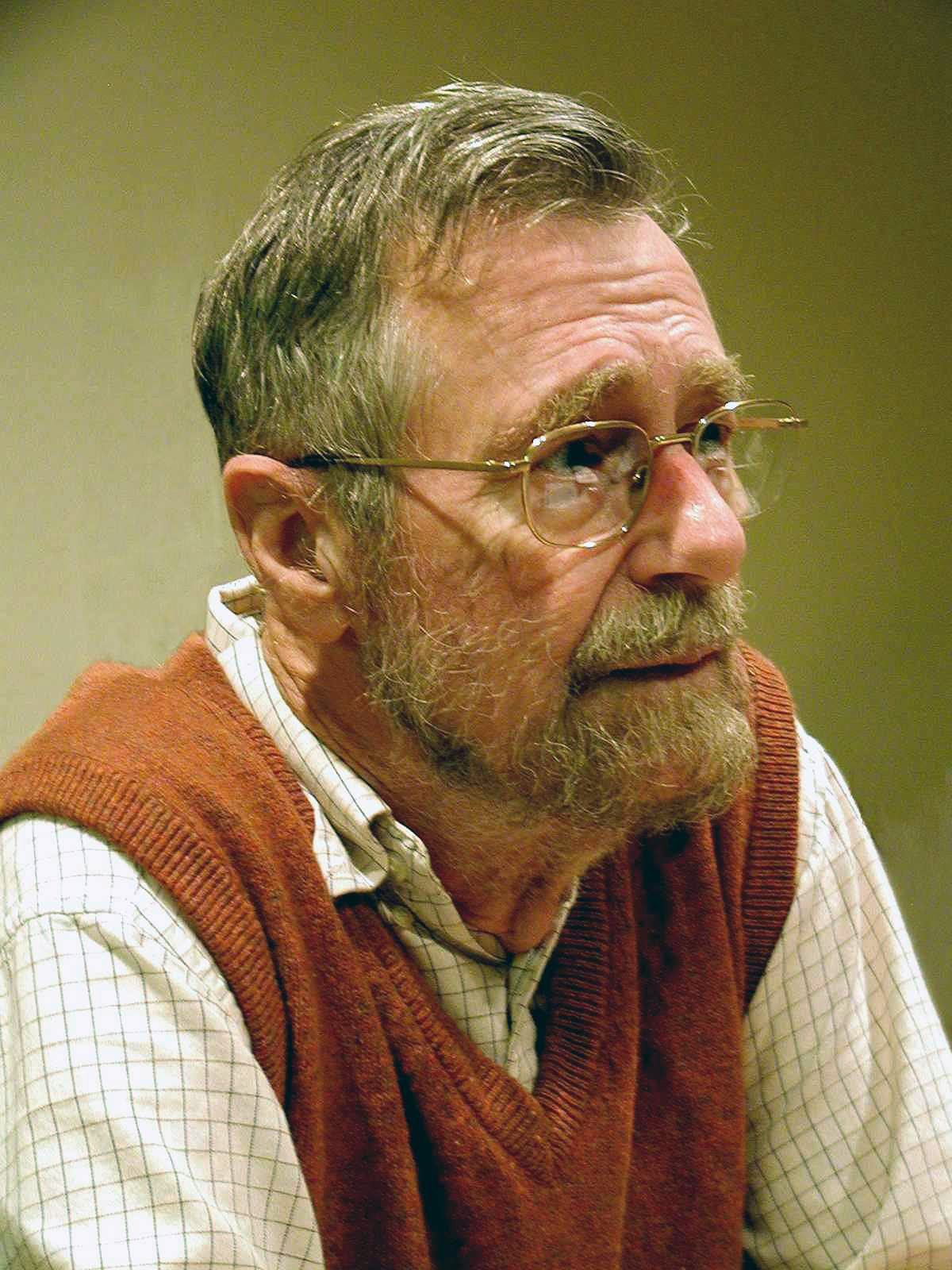
“It is practically impossible to teach good programming to students that have had a prior exposure to BASIC: as potential programmers they are mentally mutilated beyond hope of regeneration.”
Edsger Dijkstra
EWD498, 1975
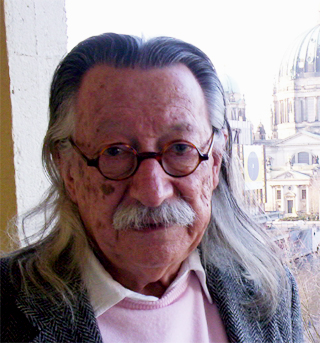
“Since we do not now have any ways of making computers wise, we ought not now to give computers tasks that demand wisdom.”
Joseph Weizenbaum
Computer Power and Human Reason, 1976
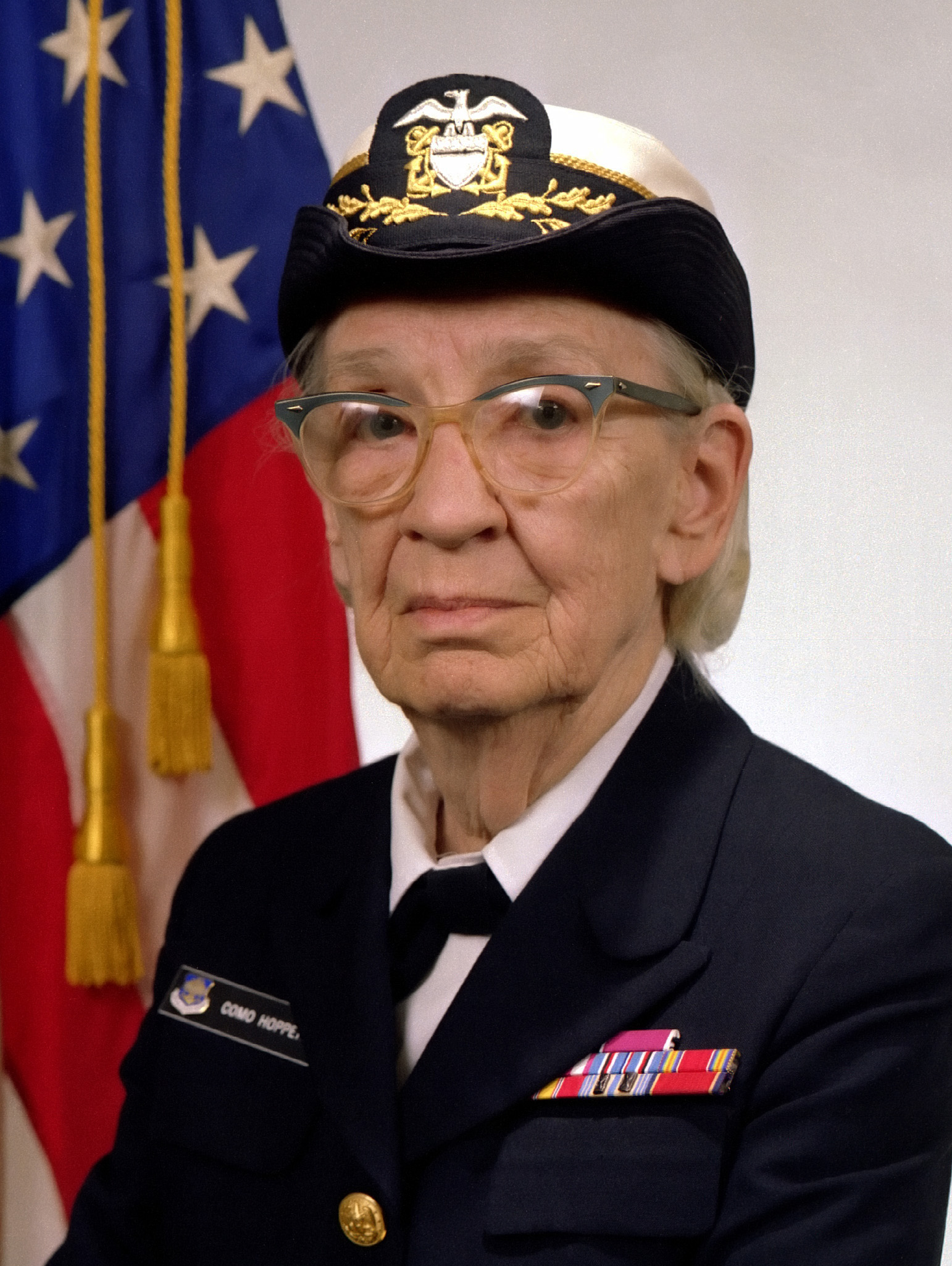 1958
1958
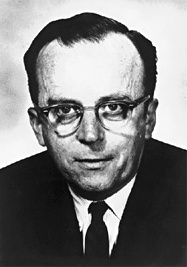 1960
1960
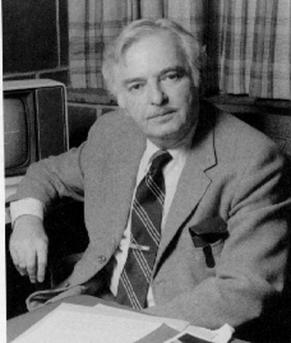 1972
1972
 1975
1975
 1976
1976
 2022
2022
 2025
2025